When you’re planning a Japan vacation from the USA, one of the first things you wonder is, “How much does a Japan trip cost for Americans?” What it ends up being depends on a bunch of stuff: your travel style, where in the US you’re flying out of, what kind of hotels you stay at, and where you eat.
Generally speaking, a 7-day trip could cost anywhere between $1,700 and $4,500 for one person. That price includes flights, places to stay, meals, transport, and all the fun activities you want to do. If you’re okay with more basic accommodations and grabbing local eats, you can save some cash. But if fancy hotels, top-notch dining, and private tours are your thing, be prepared to shell out $5,500 or even more.
For travelers who do not want to manage hotels, rail routes, and city transfers separately, TripObook offers Japan vacation packages from the USA, such as Tokyo & Osaka Tour: Explore Japan’s Top Cities, Japan Tour – Tokyo, Kyoto & Osaka Adventure, Japan in Three Strokes: Tokyo, Mishima-shi and Kyoto, and Tokyo & Kyoto Highlights. These packages include trip essentials such as hotel stays, breakfast, rail travel, and planned city combinations, which can make the overall trip easier to budget and organise. If you’re watching your budget, you can also browse our trips under $1,999.
| Travel Style | Estimated Cost Per Person | Best for |
| Budget Trip | $1,700–$2,500 | Local food, public transport, basic hotels and hostels |
| Mid-Range | $2,500–$4,500 | 3-4 star hotels, bullet train, better dining |
| Luxury Escape | $5,500–$9,500+ | Luxury hotels, private tours, ryokans, gourmet restaurants |
Here is a quick look at what a week in Japan costs based on budget, mid-range, and luxury travel styles. For a comfortable 1-week trip for a couple coming from the USA, you can expect to pay around $5,000–$9,000 total, depending on flights and hotel choices. A package like Japan Tour – Tokyo, Kyoto & Osaka Adventure works well for travelers who want a classic first-time route, because it covers 3 nights in Tokyo, 2 nights in Kyoto, and 2 nights in Osaka, along with hotel, breakfast, and rail features.
A few recent changes affect your budget, so they’re worth knowing before you book:
This table assumes a solo traveler with 6 hotel nights (a 7-day trip). If you’re sharing a room as a couple, your hotel cost per person drops noticeably.
| Expense | Budget | Mid-Range | Luxury |
|---|---|---|---|
| Round-trip flights from USA | $750–$1,000 | $750–$1,500 | $1,800+ |
| 6 nights hotel | $300–$500 | $700–$1,200 | $1,800+ |
| Food and drinks | $250–$350 | $450–$700 | $600+ |
| Local transport | $50–$100 | $100–$150 | $200+ |
| Bullet train/intercity travel | $100–$200 | $100–$200 | $250+ |
| Attractions and tours | $100–$150 | $250–$500 | $500+ |
| eSIM, insurance, extras | $150–$200 | $150–$250 | $300+ |
| Estimated total | $1,700–$2,500 | $2,500–$4,500 | $5,500+ |
In general, round-trip flights from the USA run about $700–$1,500, hotels range from roughly $40 to $500 a night, a single subway or local train ride costs about $1.50–$5, and a meal can cost anywhere from $5 to $30 depending on where you eat.
From must-see attractions to hidden gems, explore our best-selling Japan itineraries crafted for a seamless and memorable travel experience.


Flights are usually the biggest upfront expense and one of the biggest factors in your overall Japan trip cost. Round-trip economy tickets from big U.S. cities, including Los Angeles, San Francisco, Seattle, Chicago, Dallas, New York, and Honolulu, typically cost between $700 and $1,500. The actual price depends on the time of year and how far ahead you book.
West Coast folks usually find cheaper and quicker flights to Tokyo or Osaka, often in the $750–$1,100 range. East Coasters might spend more, roughly $950–$1,400, particularly during popular times like cherry blossom season, fall, Christmas, or New Year’s. One thing to plan for: because of the date line, most flights from the US land the afternoon of the following day, so Day 1 of your trip is really an arrival day.
To keep costs down, buy tickets early, check multiple airports, and think about flying into Tokyo and out of Osaka if your trip covers both cities.
Staying in hotels for a week? Japan has choices for every budget. If you’re going cheap, capsule hotels and hostels are great. For mid-level prices, opt for business hotels near train stations. Splurge seekers might enjoy luxury Tokyo hotels, traditional ryokans in Kyoto, or private onsen getaways.
Here’s a rough estimate for 6 nights out on Japan vacation packages from USA:
| Type of Hotel | 6-Night Estimate |
| Hostel/capsule hotel | $250 to $450 |
| Budget business hotel | $450 to $650 |
| Mid-range hotel | $700 to $1,200 |
| Luxury hotel or ryokan | $1,800 to $4,000+ |
Tokyo is usually the most expensive city, especially in Shinjuku, Shibuya, Ginza, and near Tokyo Station. Kyoto can also become expensive during the cherry blossom and autumn seasons. Osaka often gives better hotel value and works well for food, shopping, and day trips.
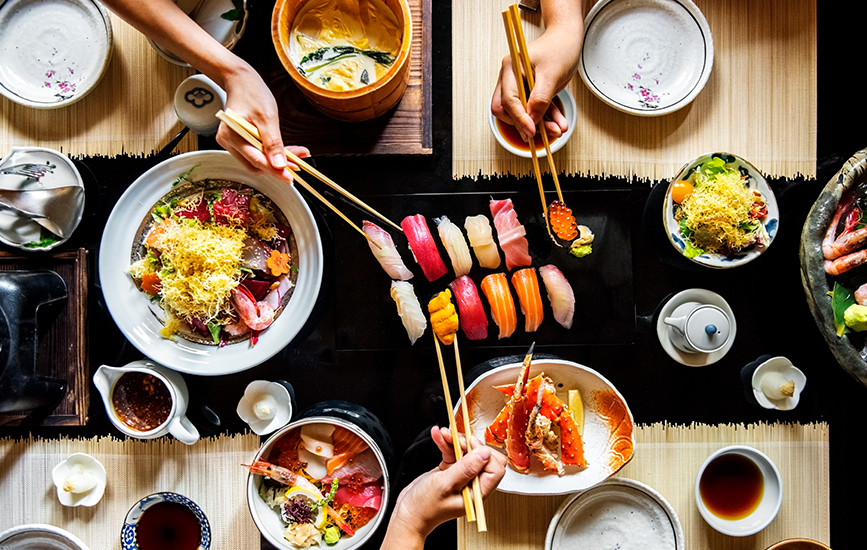
Food in Japan is one of the best-value parts of the trip. You can eat well without spending heavily. Convenience stores, ramen shops, sushi trains, curry restaurants, udon shops, and local set meals are affordable and reliable.
A practical food budget for Japan travel packages from USA is as follows:
| Food Style | Daily Budget |
| Budget meals | $30–$50 |
| Mid-range dining | $60–$100 |
| Premium dining | $150+ |
A traveller who mixes casual meals with a few special dinners should budget around $450–$750 for the week. Food tours in Tokyo or Osaka are worth adding if you want an addition to the local experience instead of only eating near tourist spots.
If you choose a package like Tokyo & Osaka Tour: Explore Japan’s Top Cities, the included breakfast can help reduce daily food costs while still leaving room for ramen shops, sushi spots, Osaka street food, and Dotonbori nightlife.
Japan’s public transport is clean, safe, and easy to use once you understand the basics. Local subway and train rides are usually inexpensive, while bullet trains are the bigger transport cost, especially if you plan to visit Tokyo, Kyoto, Osaka, or Hiroshima. Here’s what transportation costs for each type of traveller (local transport plus bullet train):
| Travel Style | Best For | One-Week Transport Budget |
| Budget traveler | Uses local trains, avoids taxis, buys only needed tickets | $150–$300 |
| Standard first-time traveler | Tokyo → Kyoto → Osaka with one bullet train ride | $200–$350 |
| Comfort traveler | Airport express, reserved Shinkansen seat, some taxis | $350–$500+ |
| Multi-city traveler | Hiroshima, Kanazawa, Nagano, or return to Tokyo by bullet train | $450–$700+ |
For a classic first-time route, many Americans choose the following:
Tokyo → Kyoto → Osaka
This route gives you modern Japan, traditional culture, food, nightlife, and the bullet train experience in one week.
A one-way bullet train ride from Tokyo to Kyoto or Osaka commonly costs around $80–$110, depending on seat type and exchange rate. For a simple Tokyo–Kyoto–Osaka route, buying individual tickets is usually better than buying a full rail pass. A pass starts to make sense only if you’re adding longer legs, such as Hiroshima, Kanazawa, Nagano, or several bullet train rides.
Japan has many free or low-cost attractions, including temples, shrines, gardens, markets, neighbourhoods, and parks. Paid experiences add depth to the trip and are often worth including in a package.
Popular add-ons are:
Budget travelers spend about $100–$150 here, while mid-range travelers spend $250–$500 for more guided tours and trips.
For travelers who want a more scenic route, Japan in Three Strokes: Tokyo, Mishima-shi and Kyoto includes 3 nights in Tokyo, 1 night in the Hakone area, and 2 nights in Kyoto. This works well if you want a softer, nature-focused break between Tokyo and Kyoto instead of only visiting big cities. You can compare all of them on our Japan tour packages page.
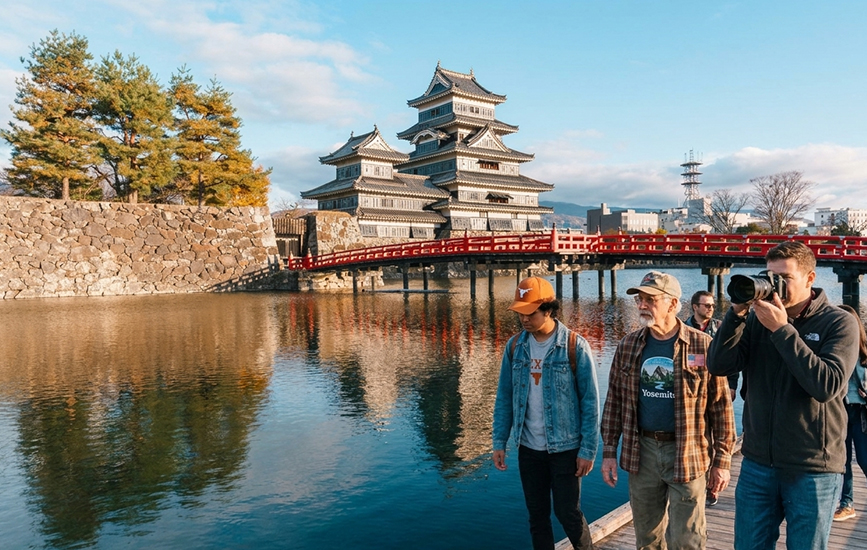
A smart 1-week Japan itinerary should be exciting but not rushed. For first-time visitors, here’s a nice plan:
| Day 1: Arrive in Tokyo. You’ll likely land in the afternoon, so keep it easy with an evening walk around Shinjuku or Shibuya. Day 2: Explore more of Tokyo with stops at Asakusa, Meiji Shrine, and Harajuku. Day 3: Try Tokyo foods, go shopping, visit museums, or take an optional Mt Fuji tour. Day 4: Take the bullet train to Kyoto and see Gion and Nishiki Market. Day 5: Explore Kyoto’s temples, Fushimi Inari, and Arashiyama, and join a tea ceremony. Day 6: Head to Osaka or Nara for a day trip, then walk Dotonbori at night for good eats. Day 7: Fly out of Osaka, or take the bullet train back to Tokyo. |
This itinerary is packed with sightseeing, food adventures, cultural experiences, shopping, and awesome train rides, all without rushing you. If you’d like to see how other first-timers plan their trip, our Japan travel FAQs for first-time visitors answer the most common questions about safety, visas, etiquette, and getting around.
Flights and hotels aren’t the only expenses, and Japan might seem pricey at first. But you actually get good value for your money with public transport, local eats, store-bought snacks, temple visits, and city tours. Tokyo can cost more than many Asian cities, yet everyday tourist costs like food, local transport, and cultural attractions still offer strong value.
Japan becomes expensive when you choose peak-season hotels, private transfers, luxury ryokans, fine dining, theme parks, and multiple long-distance train rides. It stays manageable when you use local trains, stay near stations, eat casual Japanese meals, and travel outside the busiest seasons.
The priciest time to visit Japan is during:
If you’re trying to save a few bucks, January and February (avoid Lunar New Year, which falls on February 6 in 2027), late May and June (it’s rainy season, so pack an umbrella), early September, and early December are generally cheaper times for hotels, with fewer crowds and still an amazing trip.
If you’re trying to decide between a DIY trip and a packaged vacation, think about how much planning you want to do. Booking all your train travel, hotels, and activities yourself is the DIY route. But for many Americans, especially first-timers, Japan can feel intimidating with its train systems, language barriers, luggage headaches, and strict ticket policies.
A Japan vacation package is better if you want the following:
| Package Benefit | Why It Works |
| Planned city route | Time-saving and routing confusion |
| Hotel bookings | Less stress when booking |
| Rail tour | Help with planning intercity travel |
| Breakfast included | Easier everyday budgeting |
| Multi-city itinerary | More places in less time covered |
| Optional experiences | Adds value for culture, food and sightseeing. |
For a 1-week trip, Tokyo & Osaka Tour: Explore Japan’s Top Cities suits travelers who want modern Japan, Osaka food culture, and a simple two-city trip. At the time of writing, it lists from $1,751 per person, and Japan Tour – Tokyo, Kyoto & Osaka Adventure lists from $2,158 per person. Prices change, and flights may be priced separately, so check what’s included on each package page. Our team at TripObook designs these routes so you can spend your week enjoying Japan instead of untangling train timetables. Have questions? Get in touch with us and we’ll help you compare options.
For most travellers, a realistic budget for a 1-week Japan trip is $2,500–$4,500 per person. That gives you enough room for economy flights, comfortable hotels, bullet train travel, good food, sightseeing, and a few memorable experiences.
Budget travelers can plan closer to $1,700–$2,500, while luxury travelers should expect $5,500–$9,500+.
If you want the best first-time experience, choose a route that covers Tokyo, Kyoto, and Osaka. It gives you Japan’s best mix of modern cities, temples, food, culture, shopping, and bullet train travel in one unforgettable week. TripObook’s Japan packages combine hotel stays, breakfast, rail travel, and well-planned city routes, so American travelers can enjoy Japan with less stress and better cost clarity.
A comfy 1-week trip to Japan, including flights, hotels, meals, transport, and sightseeing, costs about $2,500 to $4,500 a person.
For one traveler, yes. $5,000 is enough for most people if you pick reasonably priced flights, mid-level hotels, and eat at local spots. For a couple, $5,000 total is tight, so plan closer to $5,000–$9,000. Sticking to a Tokyo–Kyoto–Osaka route keeps costs down either way.
Best time to visit is between January and February (except around Chinese New Year) or June when it is less crowded and accommodation rates are more affordable. Early December and September are also good options for budget travelers.
The prices for a meal in Japan vary widely. Budget travellers have options like convenience stores that cost $4–8; casual restaurants, where prices range from $10–40 per person; and high-end dining restaurants, which can cost above $100+.
Both. Major hotels, chains, department stores, and IC-card readers accept cards, but small ramen shops, izakaya, street stalls, and rural temples are often cash-only. Carry a 15,000 to 20,000 yen float and withdraw from 7-Bank or Japan Post ATMs, which reliably accept US cards.
Usually not for a simple Tokyo–Kyoto–Osaka trip. Since October 1, 2026, the 7-day Ordinary pass costs ¥53,000 through overseas agents (up from ¥50,000), and one round trip from Tokyo to Kyoto won’t pay for itself. You need a lot of long-distance travel to break even, so price out individual Shinkansen tickets or a regional pass before buying the nationwide pass.
Yes. Japan’s departure tax rose to ¥3,000 per person on July 1, 2026, and from November 1, 2026, tax-free shopping changed to a pay-first, refund-at-the-airport system. Budget a little extra time at the airport if you plan to claim a refund.


 +1 689-306-1945